Introduction
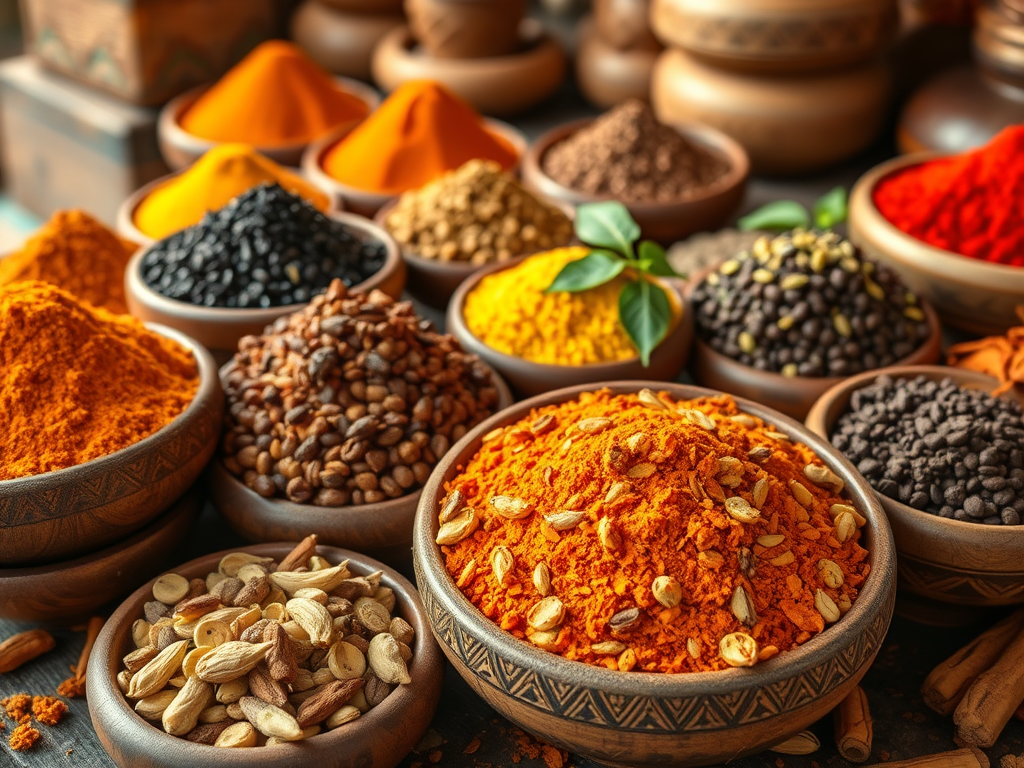
India, often called the “Land of Spices,” has been a major hub for spice production and trade for centuries. With a rich history in the global spice trade, India remains the world’s largest producer, consumer, and exporter of spices. From turmeric and cardamom to black pepper and cumin, Indian spices are in high demand worldwide. The spice industry plays a crucial role in India’s economy, contributing significantly to agricultural exports and employment.
India’s Spice Export Market
Major Spices Exported
India exports a wide variety of spices to over 180 countries. Some of the key spices include:
- Turmeric – Known for its medicinal properties, widely exported to the USA, UAE, and Europe.
- Black Pepper – “King of Spices,” exported primarily to Vietnam, the USA, and Sri Lanka.
- Cardamom – India is one of the leading producers, with major buyers in the Middle East.
- Cumin – Highly demanded in Asian and Latin American countries.
- Chili – India exports large volumes of dried chili to China, Bangladesh, and Thailand.
- Coriander, Ginger, Cloves, Nutmeg, and Fenugreek are also among India’s top spice exports.
Export Growth and Economic Contribution
The Indian spice industry is a key contributor to the country’s agricultural export revenue. The Spices Board of India regulates and promotes spice exports, ensuring quality standards. In 2022-23, India exported approximately $4 billion worth of spices. This sector supports millions of farmers, traders, and processors, making it a crucial part of rural economies.
Economic Impact of Spice Exports
- Foreign Exchange Earnings – Spice exports bring in valuable foreign exchange, strengthening India’s trade balance.
- Employment Generation – Millions of farmers, processors, and traders are involved in the spice industry, directly and indirectly.
- Agricultural Growth – Spice farming contributes significantly to India’s agricultural GDP.
- Global Market Leadership – India holds a dominant position in the global spice trade, ensuring its influence in international markets.
Boosting Value Addition: The Key to Higher Exports
What is Value Addition in Spices?
Value addition refers to processing raw spices into higher-value products such as essential oils, spice blends, extracts, and packaged products. Instead of exporting raw spices, India can increase revenue by selling processed, branded, and ready-to-use spice products.
Benefits of Value Addition
- Higher Export Revenue – Processed spice products fetch higher prices in international markets.
- Brand Recognition – Indian spice brands can establish a stronger global presence.
- Diversification of Products – Beyond raw spices, India can export spice oils, masalas, pastes, and instant mixes.
- Competitive Edge – Value-added products reduce dependency on raw commodity exports and help India compete with spice-processing nations like Vietnam and China.
- Job Creation – More processing units mean more employment opportunities in manufacturing and packaging industries.
Steps to Enhance Value Addition
- Investment in Processing Infrastructure – Setting up modern spice processing plants.
- Encouraging SMEs and Startups – Supporting small businesses in spice-based product innovation.
- Quality Certifications – Ensuring compliance with international food safety standards.
- Branding and Marketing – Promoting Indian spice brands globally through e-commerce and trade fairs.
Conclusion
India’s spice industry has vast potential to grow through strategic value addition and enhanced exports. By shifting focus from raw spice exports to processed spice products, India can significantly increase its global market share, create more jobs, and boost foreign exchange earnings. With the right policies, investments, and marketing strategies, India can further strengthen its position as the world’s spice capital and maximize economic benefits from this thriving industry.
India’s spices have flavored global cuisine for centuries. With the right push for value addition, they can also fuel India’s economic growth like never before!
 Stox N Tax
Leave a comment