Introduction
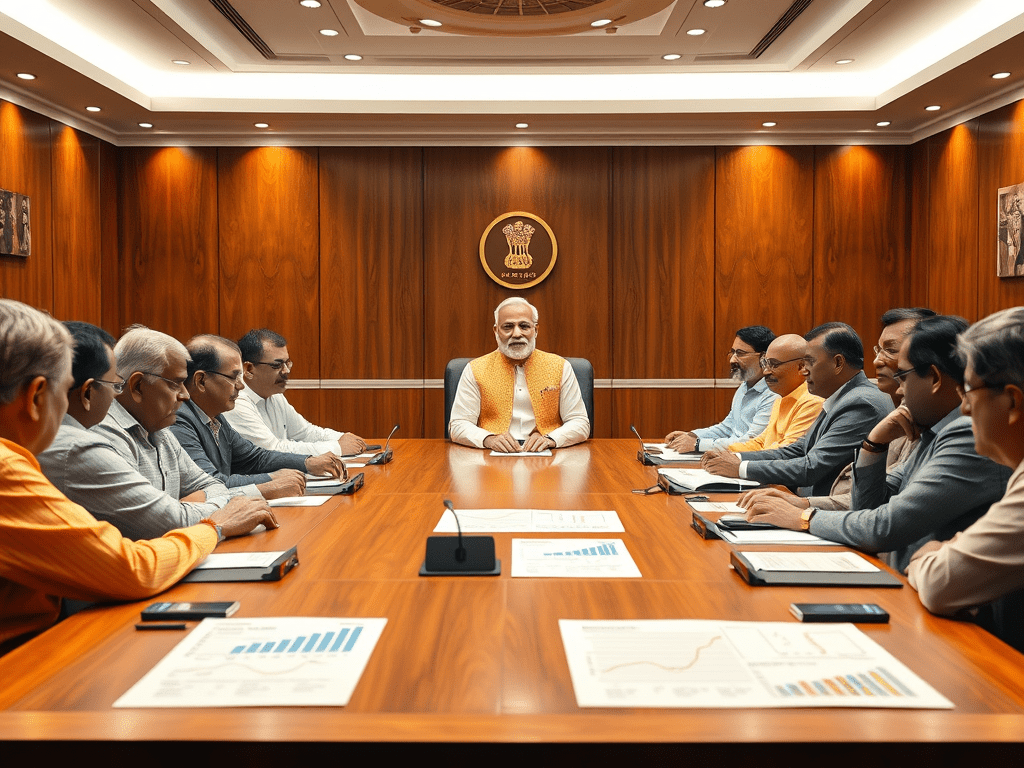
On March 28, 2025, the Union Cabinet, chaired by Prime Minister Narendra Modi, approved the release of an additional installment of Dearness Allowance (DA) to Central Government employees and Dearness Relief (DR) to pensioners, effective from January 1, 2025. This decision represents a 2% increase over the existing rate of 53% of Basic Pay/Pension, adjusting it to 55% to compensate for the price rise. Press Information Bureau
Dearness Allowance (DA) and Dearness Relief (DR): An Overview
Dearness Allowance (DA)
DA is a cost of living adjustment allowance paid to government employees, public sector employees, and pensioners in India, Bangladesh, and Pakistan. It is calculated as a percentage of an employee’s basic salary to mitigate the impact of inflation on their earnings. The primary objective of DA is to protect employees’ purchasing power against inflation.
Dearness Relief (DR)
DR is similar to DA but is specifically provided to pensioners. It serves to adjust their pensions to account for inflation, ensuring that retirees maintain their purchasing power despite rising prices.Press Information Bureau
Calculation and Revision of DA and DR
The revision of DA and DR is based on the accepted formula recommended by the 7th Central Pay Commission. This formula considers the inflationary trends and the Consumer Price Index (CPI) to determine the necessary adjustments. Typically, DA and DR are revised twice a year, in January and July, to reflect the prevailing economic conditions.Press Information Bureau
Financial Implications of the Recent Increase
The approved 2% increase in DA and DR will benefit approximately 48.66 lakh Central Government employees and 66.55 lakh pensioners. The combined impact on the exchequer is estimated to be ₹6,614.04 crore per annum. Press Information Bureau
Impact on Employees and Pensioners
For Employees
The increase in DA leads to a corresponding rise in the gross salary of employees. This increment helps in offsetting the erosion of real income due to inflation, thereby maintaining the standard of living of government employees.
For Pensioners
An increase in DR ensures that pensioners’ income remains aligned with current economic conditions, protecting them from the adverse effects of inflation on their fixed incomes.
Tax Implications
Both DA and DR are fully taxable under the Income-tax Act, 1961. For salaried individuals, DA is included in the salary income and taxed as per the applicable slab rates. Pensioners receiving DR will also have this amount added to their taxable income. It is crucial for recipients to account for these components while planning their tax liabilities.
Compliance and Implementation
The revised rates of DA and DR are effective from January 1, 2025. Government departments and agencies are required to implement these changes promptly to ensure that employees and pensioners receive the increased amounts in a timely manner. Typically, arrears for the months elapsed since the effective date are calculated and disbursed accordingly.Press Information Bureau
Conclusion
The Union Cabinet’s approval of a 2% increase in Dearness Allowance and Dearness Relief reflects the government’s commitment to safeguarding the economic well-being of its employees and pensioners against inflation. This measure ensures that the purchasing power of these individuals is maintained, thereby contributing to their financial stability. As these components are taxable, beneficiaries should consider the tax implications in their financial planning.Press Information Bureau
Note: The information provided is based on the Press Information Bureau release dated March 28, 2025.
 Stox N Tax
Leave a comment