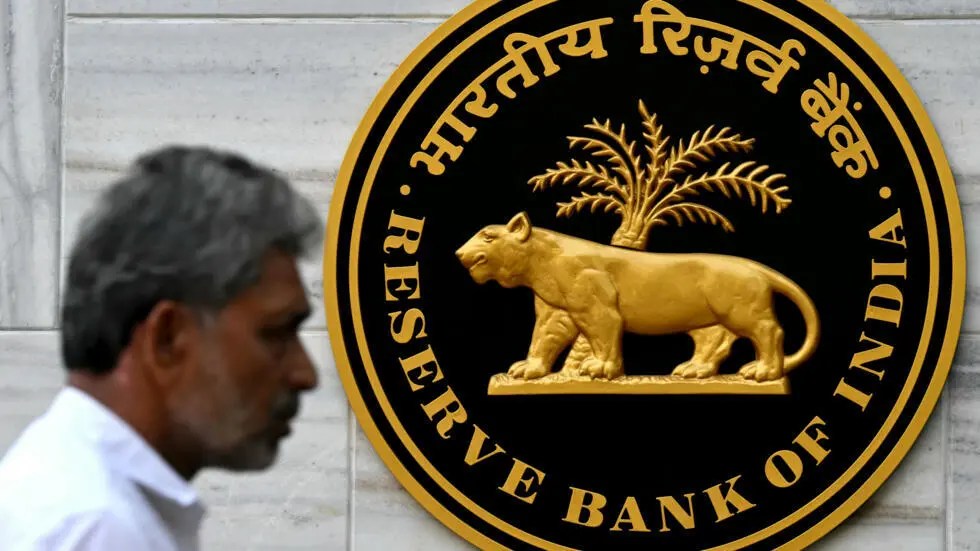
In its April 2025 monetary policy review, the Reserve Bank of India (RBI) reduced the repo rate by 25 basis points, bringing it down from 6.25% to 6.00%. This is the second consecutive cut in 2025 and is aimed at supporting economic growth amidst rising global trade uncertainties, including the imposition of US tariffs on Indian imports.
But the key question for millions of home loan borrowers is this: How much will your EMI reduce now? Let’s break it down with detailed examples and calculations.
What is the Repo Rate and Why It Matters
The repo rate is the interest rate at which the RBI lends short-term funds to banks. A cut in this rate means:
- Banks get money at a lower cost
- In turn, they may reduce lending rates
- Borrowers benefit from lower EMIs, particularly on floating rate loans
This is especially beneficial for those who have home loans linked to external benchmarks like the Repo Linked Lending Rate (RLLR).
How Much Will Your Home Loan EMI Reduce?
Example: ₹50 Lakh Home Loan for 20 Years
Assume the interest rate reduces by 0.25% (from 9% to 8.75%):
| Particulars | Before Repo Cut | After Repo Cut |
|---|---|---|
| Interest Rate | 9.00% | 8.75% |
| EMI | ₹44,986 | ₹43,983 |
| Monthly Savings | – | ₹1,003 |
| Total Interest Saved | – | ~₹2.4 lakh over loan term |
To calculate your own EMI savings, use a trusted EMI calculator. One of the best tools is: HDFC Bank Home Loan EMI Calculator
Who Will Benefit the Most?
Only borrowers with floating rate loans linked to repo rate or RLLR will see an immediate impact. Fixed rate loans remain unaffected.
Also, the benefit is higher when:
- The loan tenure is long (e.g., 15–30 years)
- You have a significant outstanding balance
- Your loan is directly linked to the repo rate
Expected Rate Cuts by Major Banks
Banks will typically revise their rates in the next 1–3 months, especially if your loan is on a repo-linked benchmark.
| Bank | Current RLLR | Expected Post-Cut RLLR |
|---|---|---|
| SBI | 9.15% | 8.90% |
| HDFC Bank | 9.25% | 9.00% |
| ICICI Bank | 9.30% | 9.05% |
Check your bank’s website or call customer service to know your revised EMI schedule.
When Will the Lower EMI Reflect?
- Repo-linked loans: Within 30–60 days of repo rate change
- MCLR-linked loans: On your next reset date, which could be in 3, 6, or 12 months
Should You Switch to a Repo-Linked Rate?
If your home loan is still on an older base rate or MCLR, you may not benefit from this repo cut. In such cases, consider switching to a repo-linked loan.
| Rate Type | Speed of Transmission | Rate Flexibility | Benefit from Repo Cut |
|---|---|---|---|
| Base Rate | Slow | Low | No |
| MCLR | Moderate | Medium | Partial |
| Repo-linked Rate | Fast | High | Full |
You may need to pay a nominal conversion or administrative fee, but the long-term savings can justify it.
Should You Refinance or Prepay?
If another lender offers a significantly lower repo-linked rate (e.g., 8.5% vs. your current 9.2%), consider refinancing your loan.
Similarly, if you have surplus funds, consider part-prepaying your loan. Use the EMI calculator to see how prepayment or lower interest rates affect your total payout.
What RBI Said: Highlights from the Monetary Policy
- Repo Rate: Reduced to 6.00%
- Policy Stance: Changed from “Neutral” to “Accommodative”
- Inflation Estimate: Lowered to 4.0% (from 4.2%)
- GDP Forecast: Revised down to 6.5% for FY 2025–26
RBI Governor Sanjay Malhotra stated that the central bank would remain vigilant about global risks and is open to further policy action if required.
FAQs
1. Will my EMI reduce automatically?
Yes, if your loan is linked to the repo rate or RLLR. Check with your bank for the implementation date.
2. I have an MCLR loan. What should I do?
Wait for your reset date or explore switching to a repo-linked loan for quicker rate transmission.
3. Is now a good time to take a new home loan?
Yes. With falling rates and stable inflation, it’s an ideal environment for long-term borrowing.
4. How do I calculate the new EMI?
Use this trusted EMI calculator: HDFC Bank EMI Calculator
Final Thoughts
The RBI’s April 2025 repo rate cut is a positive move for borrowers. It brings immediate relief to those with floating rate home loans and can significantly reduce the financial burden over time.
If your loan is not yet linked to the repo rate, this is a good time to re-evaluate your options, consider switching, or renegotiating with your lender. And if you’re planning a big-ticket purchase like a house, the falling interest rate regime makes it a more affordable goal.
For more such updates on financial planning, loans, taxation, and personal finance strategies, stay tuned to Stox N Tax.
 Stox N Tax
Leave a comment